Copy & use anywhere
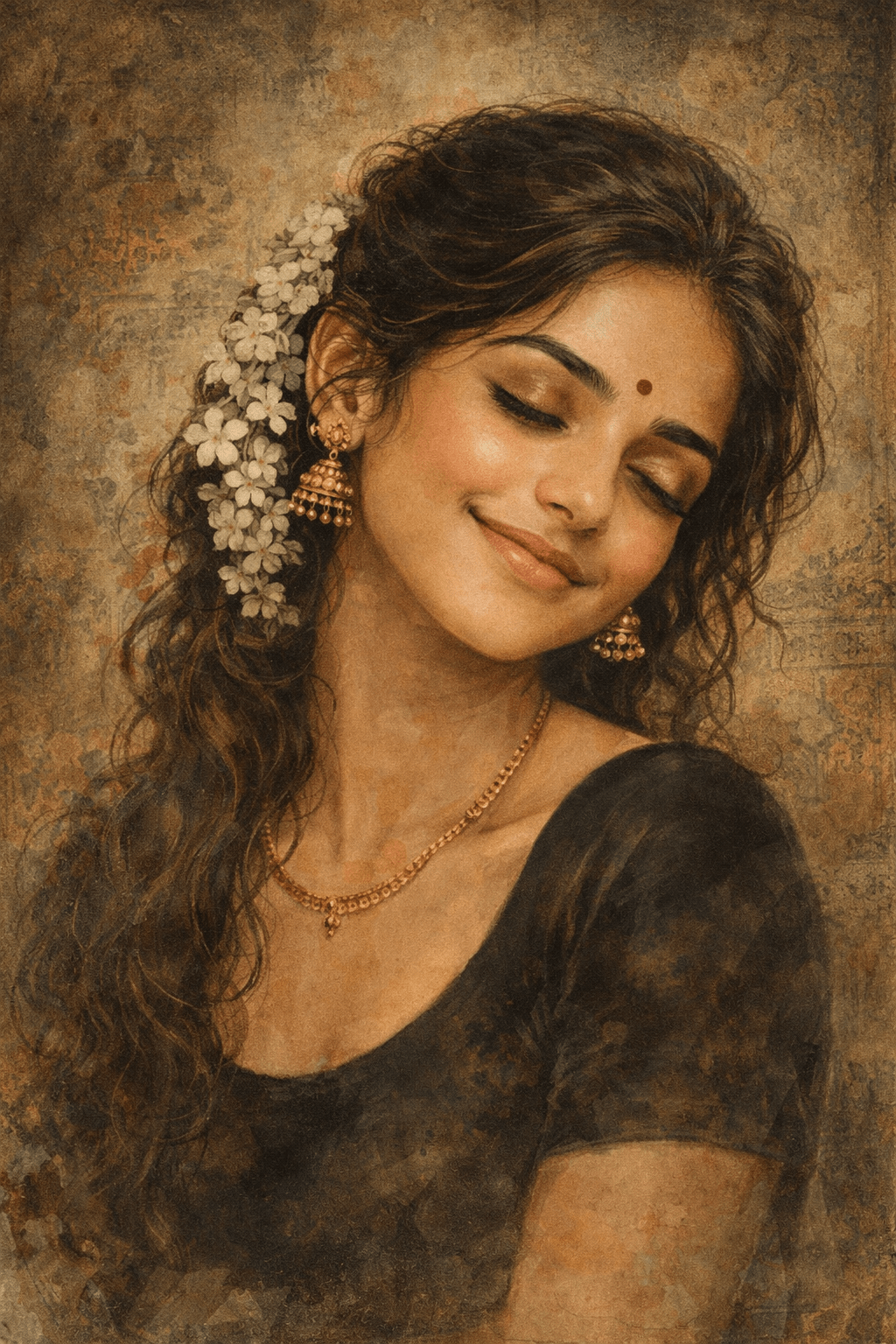
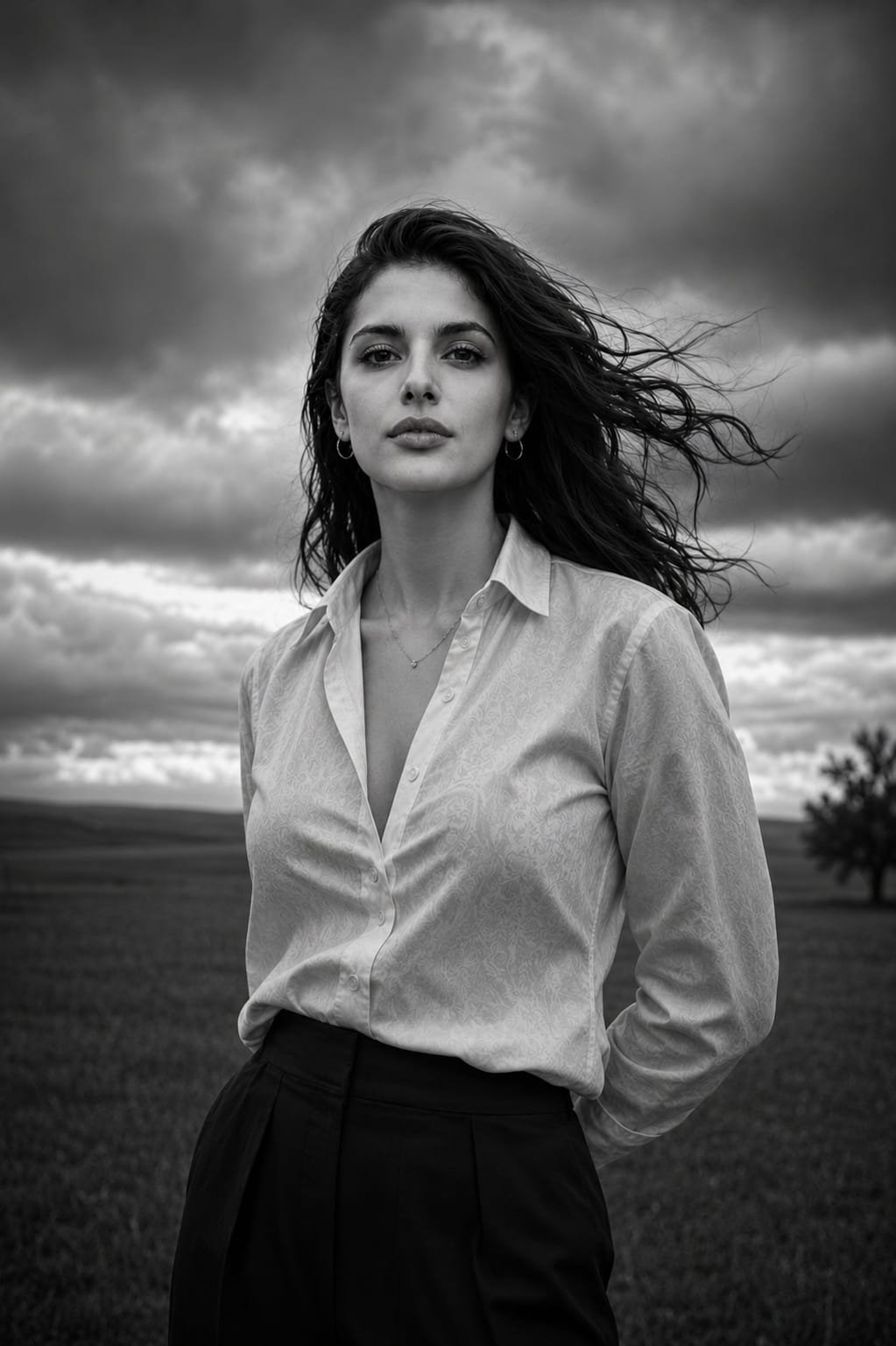
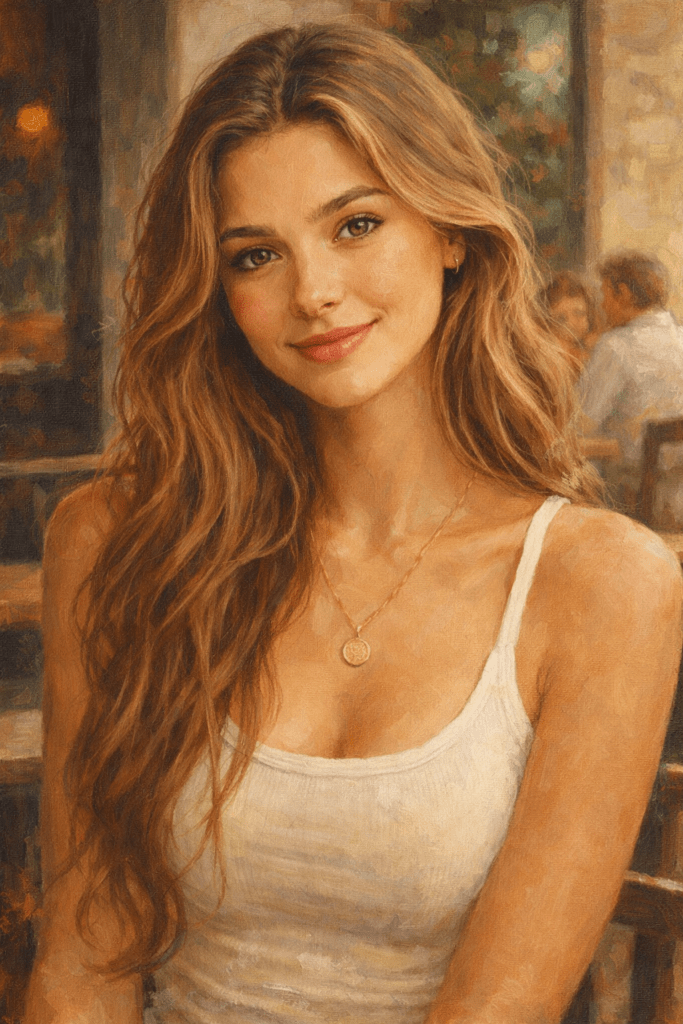
Using the uploaded image, generate a hand-painted narrative illustration in a mid-century Americana style based on Norman Rockwell. The scene should be constructed through painterly interpretation rather than photographic accuracy, with forms built from visible brushwork, softened anatomy, and warm color relationships. Lighting is warm and interpretive, not cinematic or lens-based. The final image should feel humane, nostalgic, and clearly illustrated—like a story told in paint rather than a photo rendered in oils.
About This AI Image Prompt
This prompt is designed to transform an uploaded photograph into a hand-painted narrative illustration inspired by the visual language of mid-century American storytelling art. Instead of attempting to preserve photographic realism, the image is intentionally reinterpreted as a painted scene with visible brushwork, softened forms, and expressive color relationships.
The main goal is to make the image feel like a moment from a larger human story. The uploaded image provides the underlying subject and composition, but the final result should not look like a photograph converted into an oil painting. Instead, the subject should feel deliberately reconstructed through traditional-looking painted forms.
Softened anatomy and visible brushwork help establish the illustrated character of the artwork. Warm color relationships add emotional warmth and contribute to the nostalgic atmosphere associated with mid-century Americana.
Lighting is also treated differently from conventional AI photography prompts. Rather than specifying camera direction, lens characteristics, or cinematic highlights, the prompt asks for interpretive painted illumination. This allows the artistically rendered light to support the emotional story instead of simply reproducing photographic lighting.
Understanding the Visual Style
The visual style combines mid-century Americana, narrative illustration, nostalgic painting, and traditional storybook aesthetics. The emphasis is on human warmth and storytelling rather than photographic precision.
Visible brushwork gives the artwork a handcrafted appearance. Slightly softened anatomy prevents the image from feeling mechanically realistic, while warm colors help create a familiar, sentimental atmosphere.
The narrative quality is particularly important. The subject should appear to belong within a believable everyday story, as though the viewer has encountered a meaningful moment from another time.
The prompt deliberately avoids cinematic photography characteristics. There is no emphasis on lens effects, shallow depth of field, photographic sharpness, or artificial realism. Instead, the final image should communicate emotion through painted shapes, color, gesture, and brushwork.
Technical Prompt Breakdown
Unlike a conventional photography prompt, this concept does not depend on camera specifications such as focal length, aperture, ISO, or shutter speed. Its technical instructions focus on the method of visual interpretation.
The uploaded image acts as the source reference, but the result should be transformed through painterly construction rather than reproduced with photographic accuracy. Forms should appear built from visible brushstrokes, with softened edges and simplified anatomical details where appropriate.
Warm, interpretive lighting is another important instruction. The light should feel intentionally painted, allowing highlights and shadows to support the mood of the scene.
Color relationships are also more important than precise photographic color reproduction. Warm tones can be balanced against cooler or neutral areas to guide attention and create emotional depth.
Lighting, Colors & Composition
The lighting should feel warm and artistic rather than dramatic or cinematic. Highlights and shadows can be interpreted according to the emotional needs of the scene instead of following a strict photographic light source.
Warm color relationships help establish the nostalgic atmosphere. Creams, muted reds, warm browns, soft yellows, and other period-inspired tones can contribute to the mid-century character without making the image excessively saturated.
The composition should retain the important storytelling qualities of the uploaded image while allowing the painterly interpretation to reshape details. Background elements can feel simplified or softened so that the subject and narrative moment remain clear.
Visible brushwork throughout the scene helps unify the foreground and background, ensuring that the image feels like one cohesive painting rather than a photograph with an applied texture filter.
How to Customize This Prompt
Change the Color Palette
Replace the warm Americana palette with softer pastels, muted autumn colors, or slightly cooler vintage tones. Warmer colors create greater nostalgia, while restrained cooler tones can make the scene feel more reflective.
Adjust the Painterly Detail
Increase visible brushwork for a more traditional handmade appearance, or use finer brushwork for a cleaner illustrated finish. The important distinction is that the image should remain visibly painted rather than photographic.
Change the Mood
A cheerful family moment can emphasize warmth and optimism, while a quiet solitary scene can use softer colors and more subdued expressions. The narrative feeling should match the emotional context of the reference.
Simplify the Background
Reduce unnecessary background details and use broader painted shapes to keep attention on the main subject. This can make the illustration feel more like a carefully composed magazine or storybook scene.
Modify the Period Influence
You can emphasize a broader mid-century American atmosphere through vintage clothing, period interiors, traditional storefronts, countryside environments, or everyday domestic settings while keeping the central subject recognizable.
Best Use Cases
This illustrated style can work well for storytelling artwork, nostalgic social media content, editorial illustrations, Pinterest posts, creative portfolios, greeting cards, family-themed artwork, historical-inspired projects, book concepts, and decorative digital art. It is particularly effective when the goal is to communicate a human story through painted imagery rather than photographic realism. For commercial use, verify the AI generator’s licensing terms and ensure you have appropriate rights to the uploaded reference image and any additional assets.