
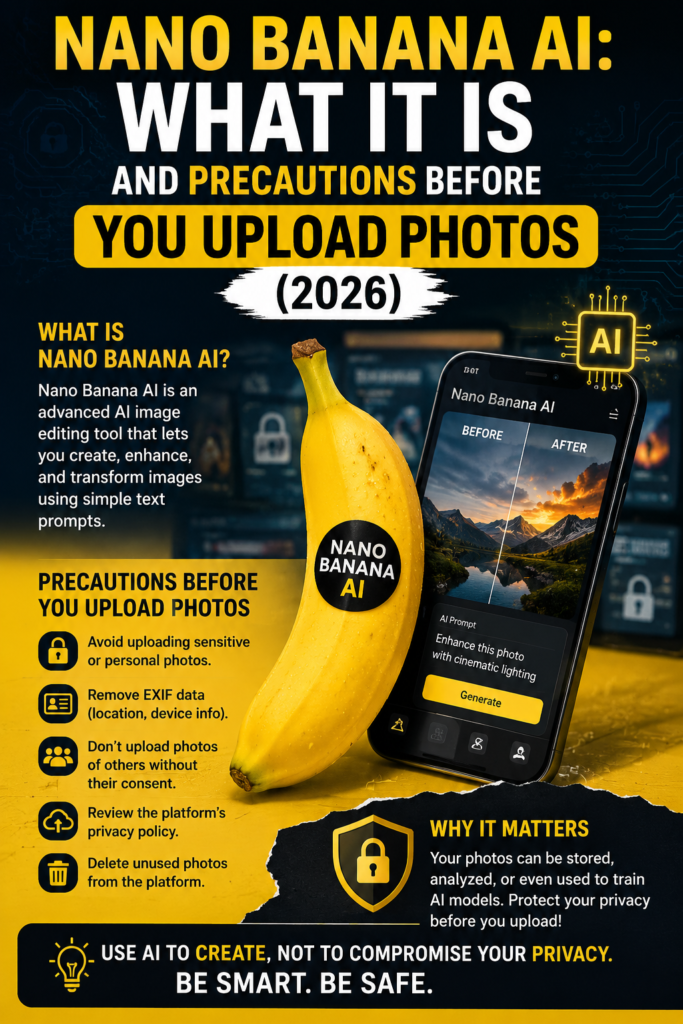
Nano Banana AI has become one of the most talked-about image generation tools of 2026, growing from an anonymously tested model into Google’s default image engine almost overnight. If you have seen wildly stylized portraits or product mockups flooding social media recently, there is a good chance Nano Banana AI was behind them.
This guide covers Nano Banana AI in plain terms, what changed recently, and the precautions worth taking before uploading your own or anyone else’s photos into it.
What Nano Banana AI Actually Is
Nano Banana AI is the informal name for Google’s Gemini-powered image generation model family, technically built on the Gemini Flash Image line. It started out as an anonymously tested model on a public AI testing platform, and the playful placeholder name stuck so strongly that Google eventually leaned into it publicly rather than replacing it with a more formal title.
Despite the unusual name, Nano Banana AI is a serious, capable image generator, competitive with other major image models from OpenAI and other labs, particularly known for strong instruction following and photorealistic output.
How It Became Google’s Default Image Tool
In early 2026, Google consolidated several separate AI creative tools, including ImageFX, into a single platform called Google Flow AI, with Nano Banana AI as the image engine powering it. Anyone who used Google’s older, separate image tools before this change found their workflow moved into Flow under the Nano Banana name. Since that consolidation, Google has continued releasing updated versions, including a faster, more cost-efficient variant aimed at high-volume use.
Which Version Should You Use
For most casual users, the standard current version offers a strong balance of quality and speed and is generally the recommended default. A Pro-tier version exists specifically for people who need higher resolution output or more precise text rendering inside generated images, available through a paid Google AI subscription. A lighter, faster variant is also available, aimed more at developers and high-volume use cases than everyday casual generation.
If you regularly use AI image tools alongside other assistants, our Claude AI usage guide covers habits for working efficiently across multiple AI platforms without wasting time or usage limits.
Precautions Before You Upload Photos
Never upload photos of other people without their clear consent. This applies whether you are transforming a friend’s photo into a new style or using someone’s likeness as a reference image, since consent matters regardless of the tool’s own policies.
Understand what happens to uploaded images. Review the platform’s data policy on how uploaded reference photos are stored, whether they are used for model improvement, and for how long they are retained before deciding what to upload.
Avoid uploading photos of children without careful consideration. Extra caution applies to any image involving minors, given the sensitivity around AI-generated content involving young people.
Be aware that generated images carry an invisible digital watermark. Google embeds a digital watermarking technology called SynthID into Nano Banana AI outputs, designed to survive cropping and filters, meaning generated images can generally be identified as AI-made even after edits.
Check platform-specific commercial use terms before publishing. Rules around using generated images commercially, in ads, products, or marketing, vary and are worth confirming directly rather than assuming.
Avoid prompts recreating copyrighted characters or real celebrities. This applies to Nano Banana AI the same way it applies to any image generator, and is covered in more depth in our AI prompts precautions guide.
How to Tell If an Image Was Made With It
Every image generated by current Nano Banana AI models carries the invisible SynthID watermark mentioned above, which is not visible to the naked eye but can be detected using Google’s own verification tools. Google has also been expanding support for C2PA Content Credentials, an industry-wide metadata standard also backed by companies like Adobe and Microsoft, which attaches verifiable AI-origin information directly to image files. If you are unsure whether a specific image was AI-generated, checking it through Google’s official verification method is the most reliable approach available.
This kind of verification connects to the broader skill covered in our how to tell if content is AI-generated guide, which applies the same detection mindset to text as well as images.
For the most current, official details on Nano Banana AI’s specific capabilities and policies, Google’s own announcement pages are the most reliable source given how frequently the model family has updated through 2026: Google DeepMind Nano Banana Announcements.
FAQs
Is Nano Banana AI free to use? A base version is free to use, with a Pro tier requiring a paid Google AI subscription for higher resolution output and more precise features.
What happened to Google ImageFX? ImageFX was shut down and merged into Google Flow AI, with Nano Banana AI becoming the image generation engine powering the consolidated platform.
Can I tell if an image was made with Nano Banana AI? Yes, generated images carry an invisible SynthID watermark that survives cropping and filters, along with expanding C2PA metadata support, both checkable through Google’s verification tools.
Is it safe to upload photos of myself to Nano Banana AI? Generally yes for personal use, but reviewing the platform’s data retention and usage policy first is a reasonable precaution before uploading any personal photo.
Should I upload photos of other people into Nano Banana AI? Only with their clear consent. Using someone else’s photo or likeness without permission raises real privacy concerns regardless of the specific tool.
Is Nano Banana AI the same as Gemini? Nano Banana AI is the image generation component within Google’s broader Gemini model family, specifically the Flash Image line, rather than a fully separate product.
Final Thoughts
Nano Banana AI has quickly become one of the most capable and widely used image generators in 2026, and understanding what it actually is helps cut through the playful name. Before uploading any photo, especially one involving another person, take a moment to consider consent, check the platform’s data policy, and remember that generated images carry detectable watermarking regardless of how they are edited afterward. A little awareness upfront keeps a genuinely fun, powerful tool safe to use.
Written by the EmtyBrain Team. We test and write about free AI and developer tools so you don’t have to dig through documentation yourself.
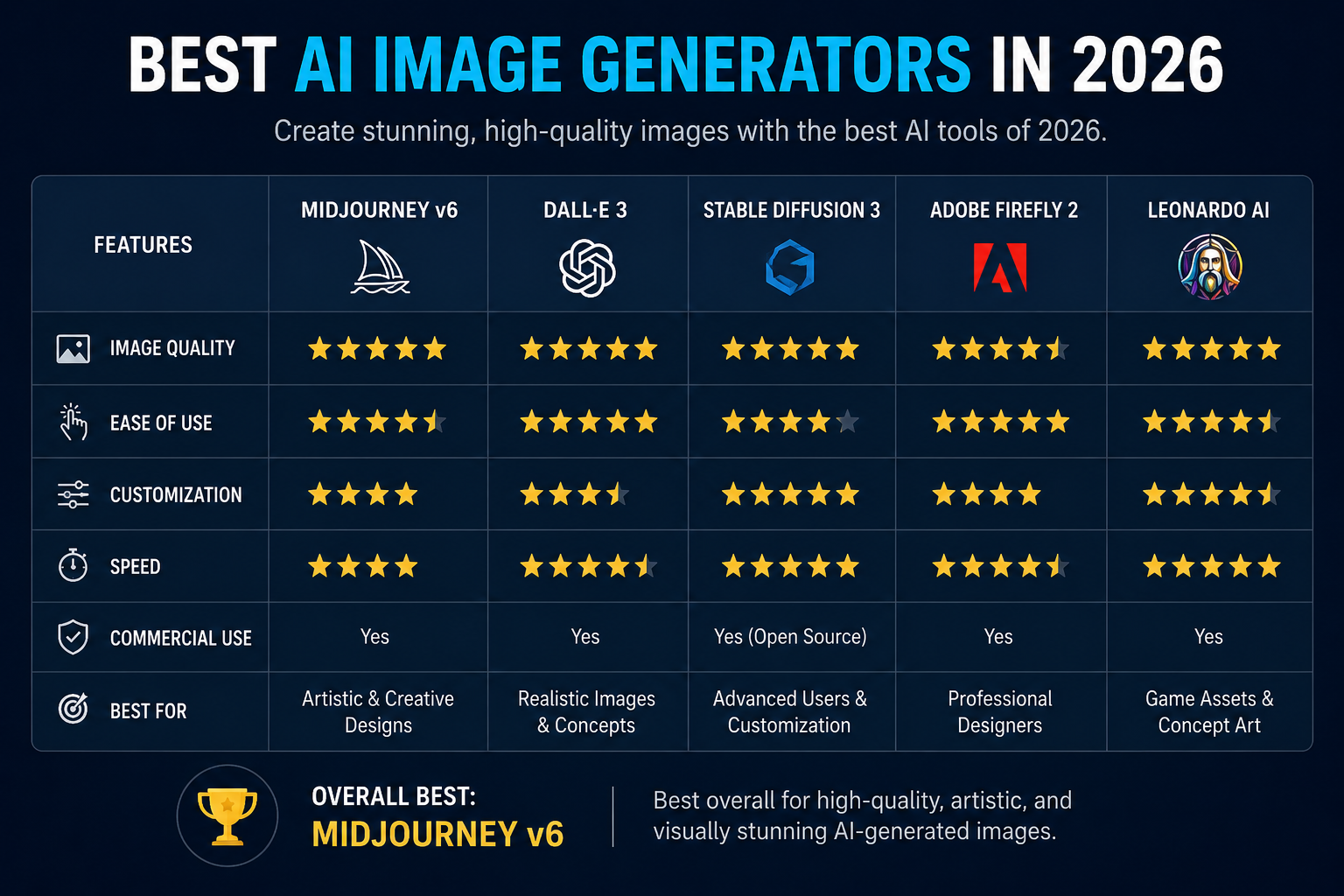



Pingback: what is the best ai image generator?